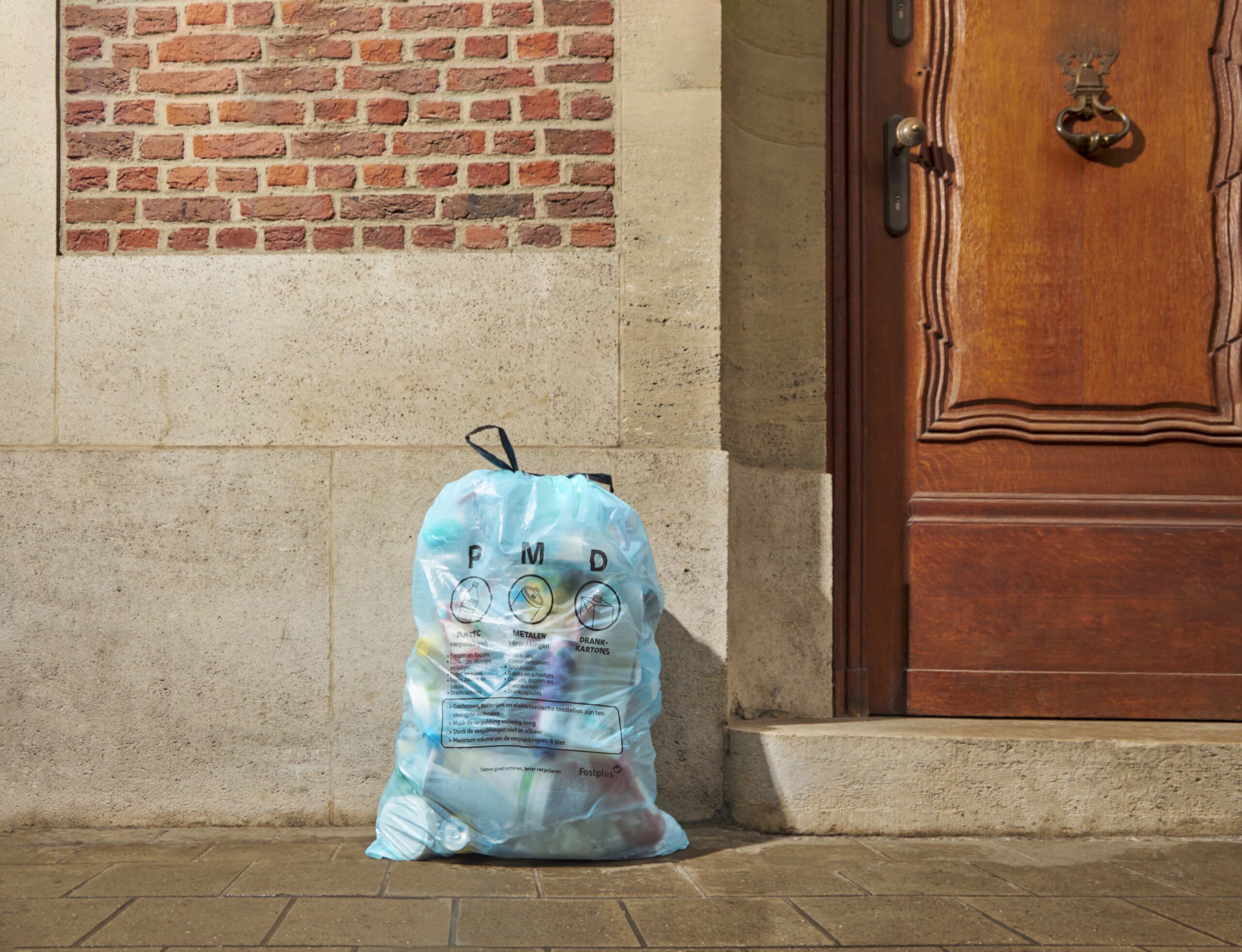
Without sorting there can be no recycling. If we want to keep Belgium as the European leader in household packaging collection and sorting, we have to keep citizens on board. Fost Plus therefore launched another broad communication campaign in September 2025. The goal? Based on data-driven insights, to provide the right tools to make correct sorting a daily habit.
Instead of relying on assumptions, we analysed objective data to understand why sorting errors persist. By addressing real doubts and making correct sorting intuitive, we helped build confidence in the system – and showed that every individual action counts. Because within a truly sustainable mindset, correct sorting behaviour clears the way for recycling and packaging-free alternatives.
Data doesn’t lie
The first step is to understand the target audience and their attitudes towards sustainability. Studies such as the Environmental Barometer help us identify behavioural trends. Environmental issues have never had such a high profile, yet this does not seem to translate into behaviour. The focus is therefore on those who are open to change, provided we can remove the barriers. Through our platform Better Sorting, we are gathering real-time insights that provide relevant input for the campaign for this purpose.
Authenticity is non-negotiable
The second step is relevance and connection. The new 30-second ad starts with a recognisable moment of sorting doubt: should this go with PMD or not? A question that sounds almost as familiar as ‘What’s for dinner tonight?’. The clarity of the message here cuts through the noise of the ‘war for attention’. By using role models, we both give a specific example of the individual impact and ensure an authentic experience.
The ad will be reinforced by a content campaign on social media and a PR activation.
Basically, the success of the campaign lies in combining awareness with action:
- Repetition thanks to relatively high media pressure and the reuse of the 2024 campaign hook creates impact.
- Building trust with objective reporting assured citizens that their efforts were really making a difference.
- Activation of the ecosystem based on cooperation on the ground: from warning actions (the ‘red hand’ stickers) in cooperation with waste intermunicipal organisations to encourage the right individual behaviour and the training of operators to improve source sorting through to local financial incentives to empower all partners.
Impact
The results speak for themselves: the number of sorting errors fell from 14% at the end of 2024 to around 13% by mid-2025. Given that every ton of sorting errors costs the industry €1,000 in processing, the social impact is huge.
By making sorting a matter of course, we help people take steps towards a circular society and sustainable future.
Explore the campaign on the Fost Plus website: https://www.fostplus.be/en/node/424